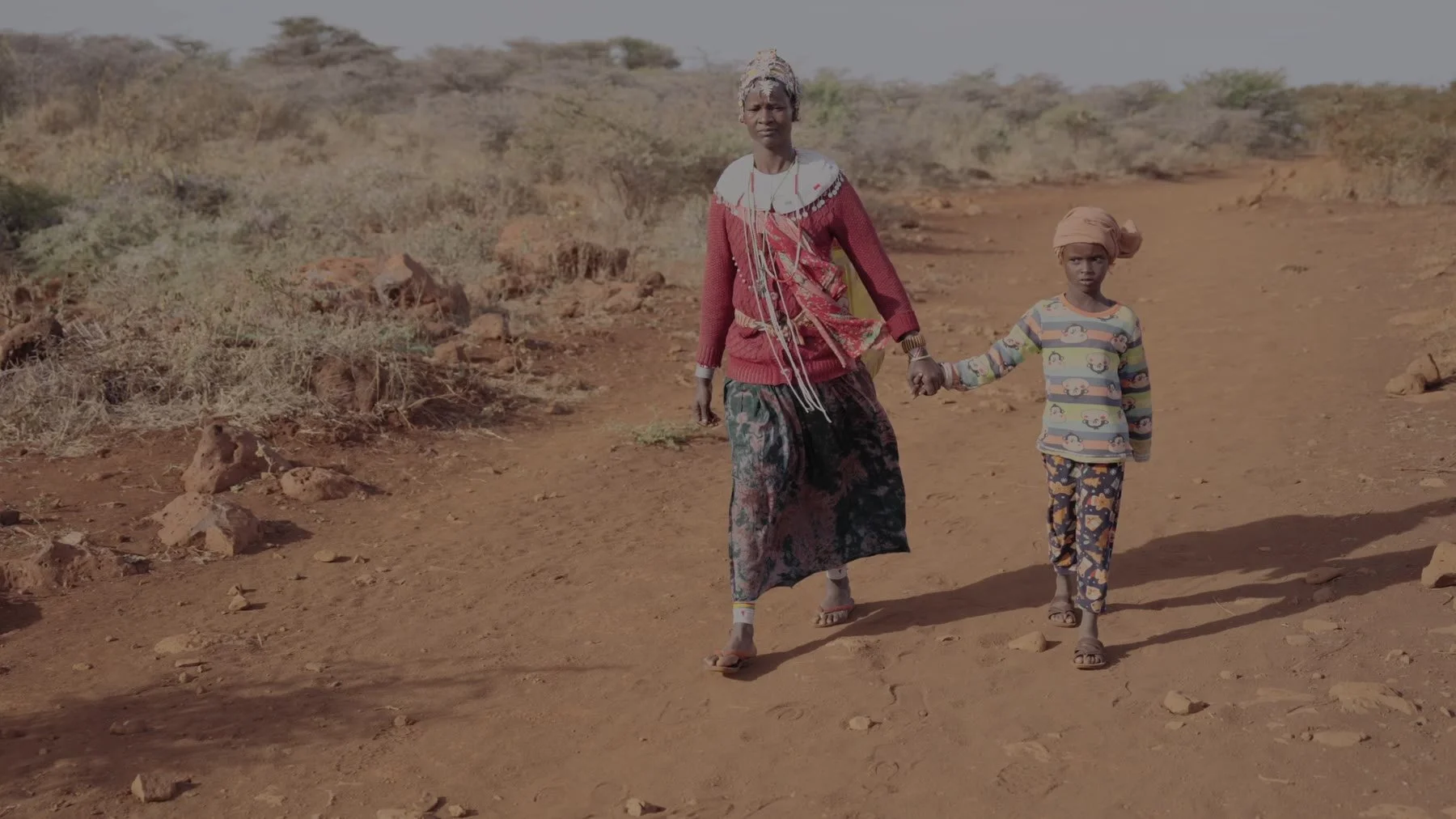
THE WALK TO WATER
Millions of women walk for water. This is the story of how it’s carried—and a movement for safe drinking water for children across Kenya.
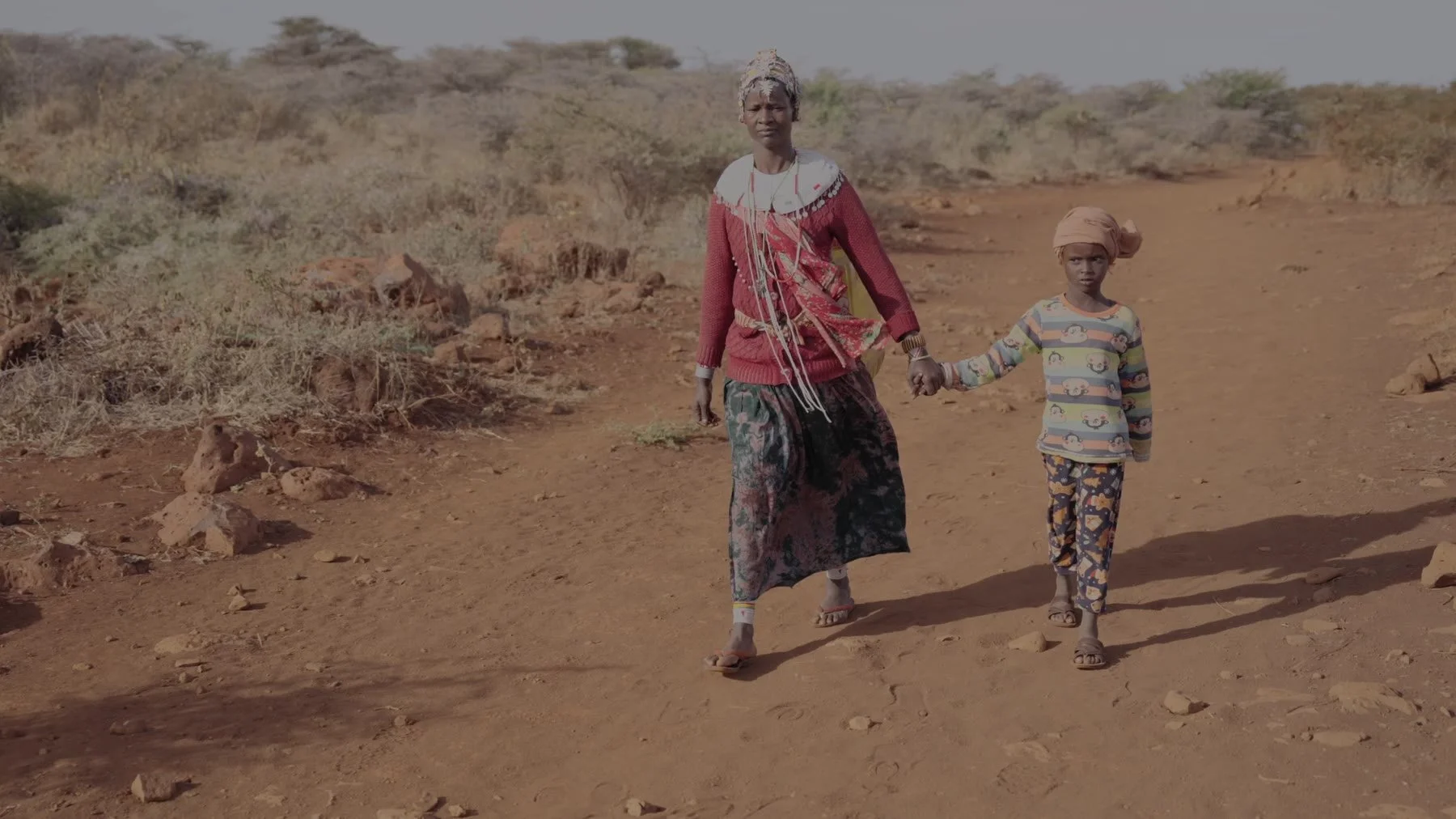
A daily journey, shared by millions
Every day,
the walk begins.
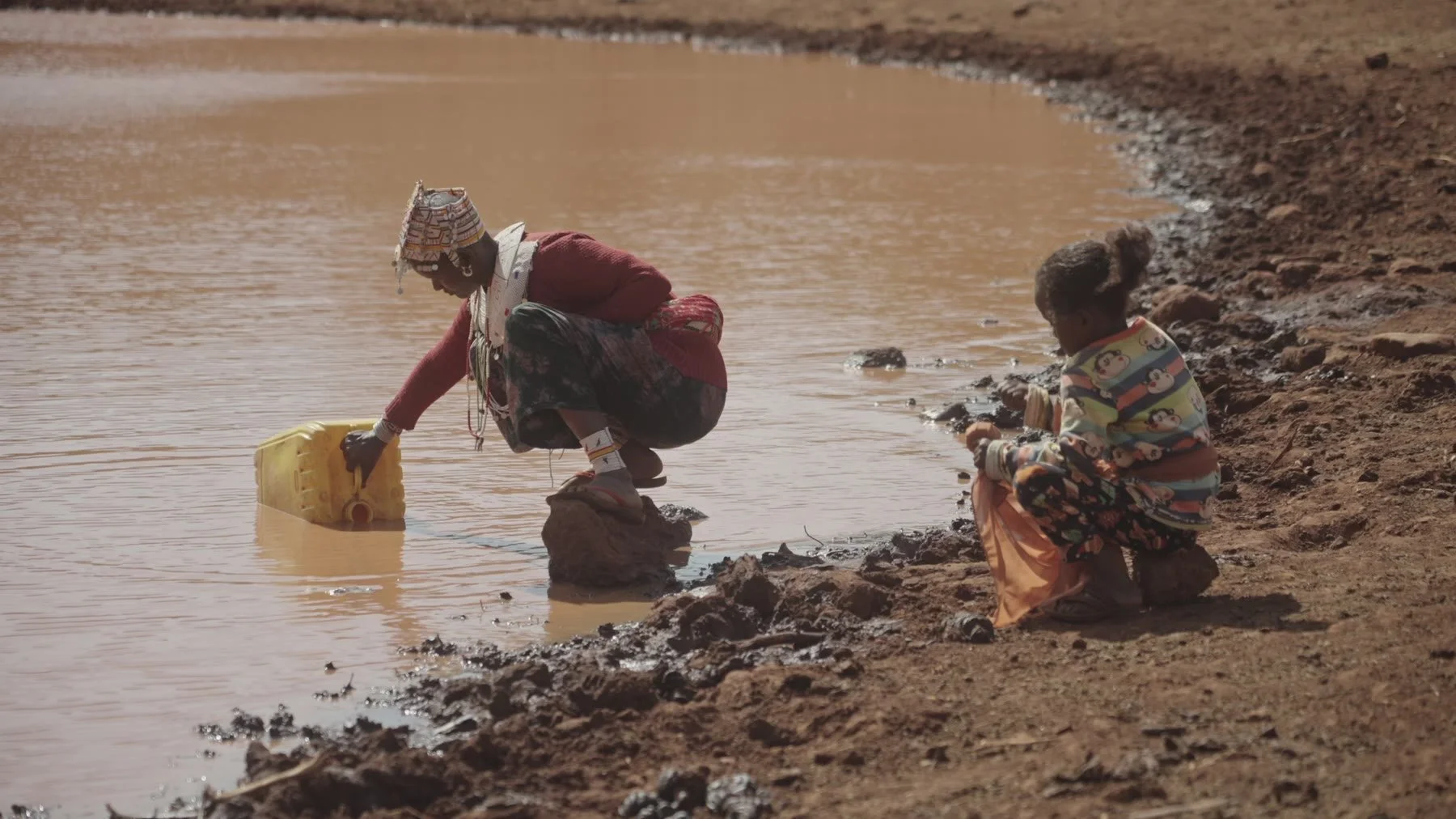
Millions of women and girls leave home to collect water every day. In Kenya, we follow their journey—and the water they bring back.
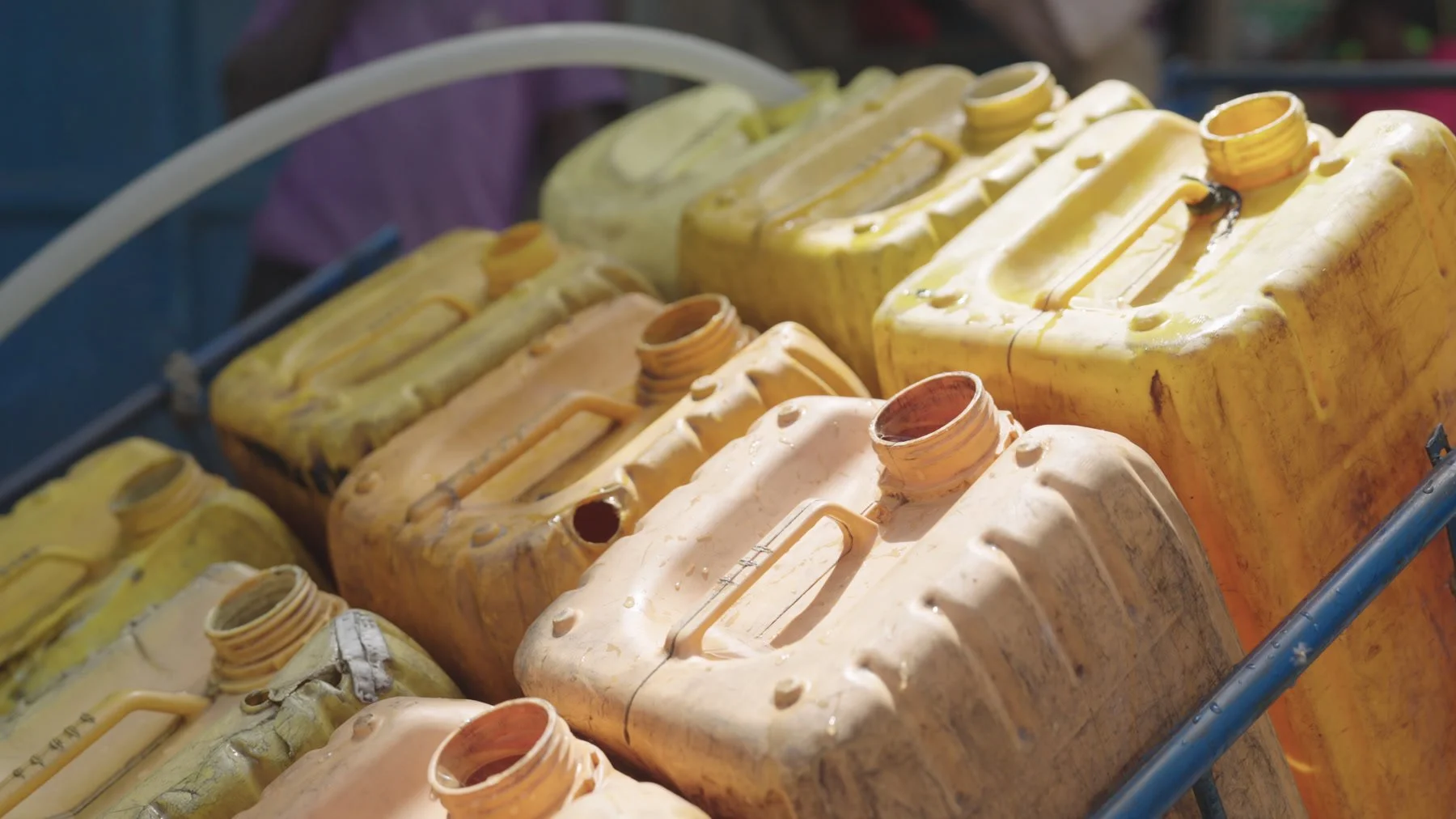
Meet the Jerrycan.
Once used for cooking oil. Now used for drinking water. Reused plastic jerry cans are impossible to clean, allowing bacteria, viruses and parasites to cause waterborne illnesses.
The risk doesn’t end
at the source.
The danger can stay inside.
Narrow openings make cleaning impossible. Bacteria, parasites and viruses left inside will contaminate even safe drinking water.
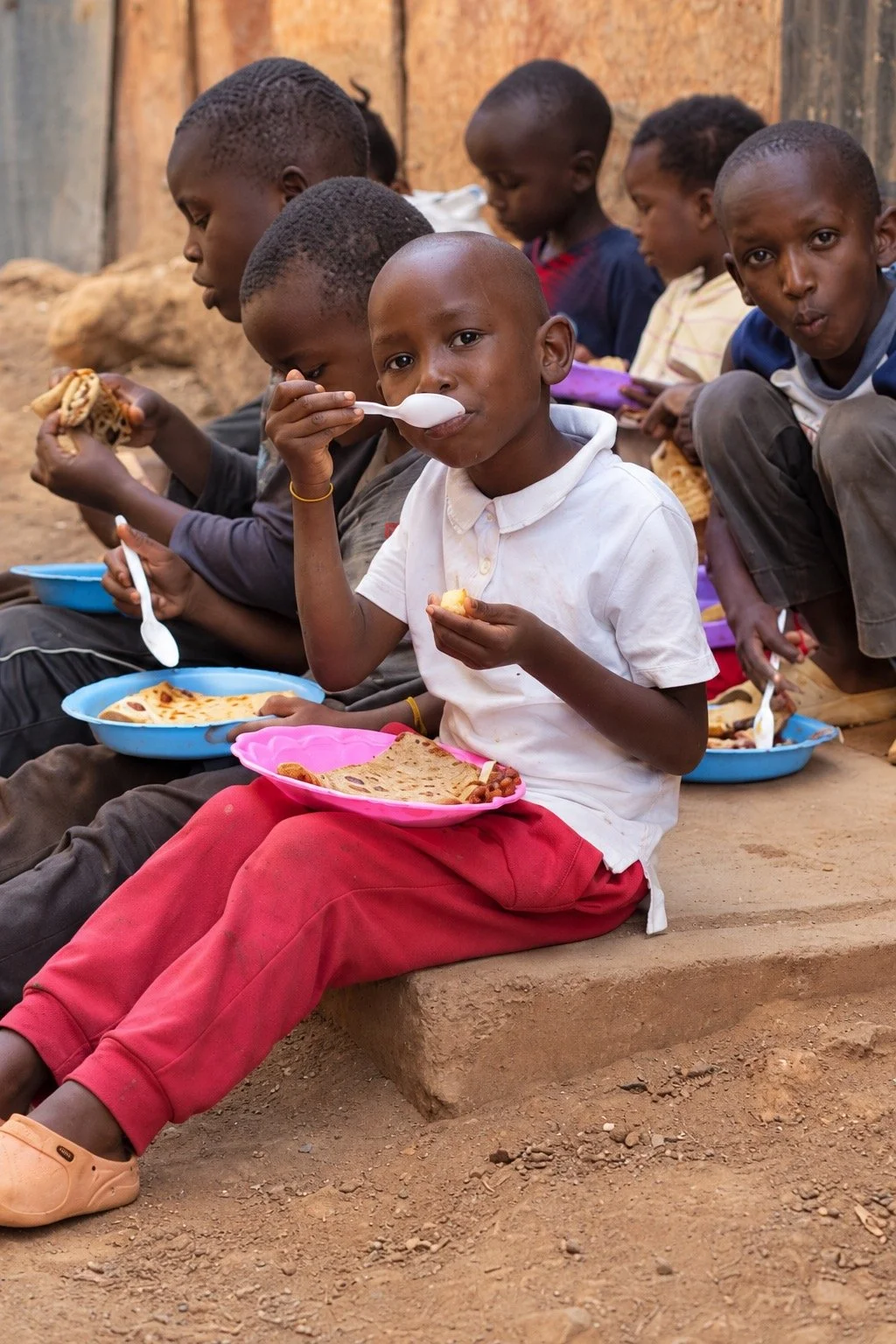
What stays inside can reach a child’s cup.
Contaminated water can cause diarrhoea and other waterborne illnesses.
Safe water is a
matter of survival.
Around443,832443,832
children under five die from diarrheal disease every year, worldwide.
Contaminated drinking water can spread these infections. A container that recontaminates water puts a child’s health at risk.
Source: World Health Organization, 2024 ↗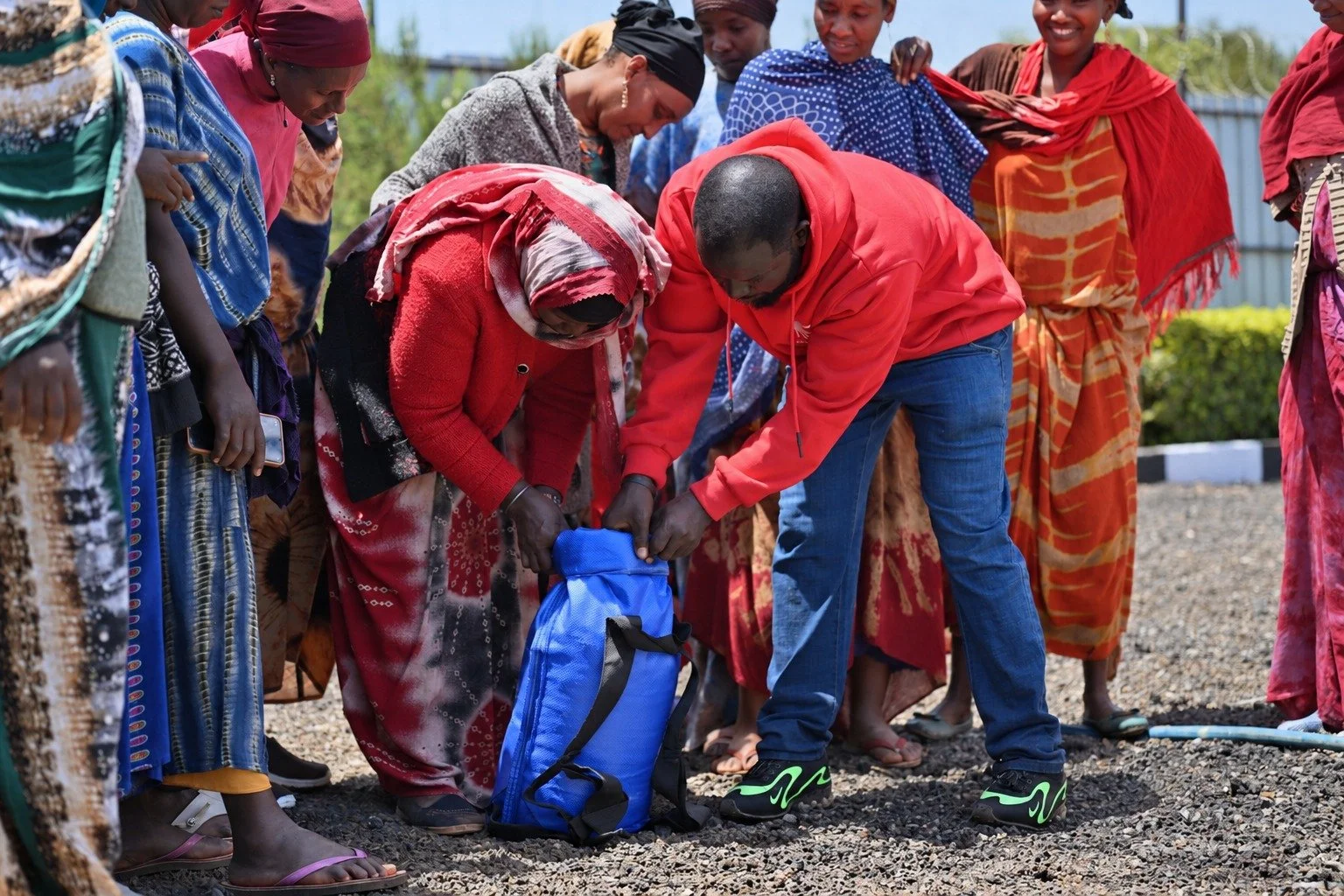
Safe water
needs a
clean container.
A liner you can remove and clean.
A top you can seal.
A tap you can share water from.
A different answer to the jerrycan.
EXPLORE WATERSAFE ↗$10One WaterSafe.
A classroom’s water.
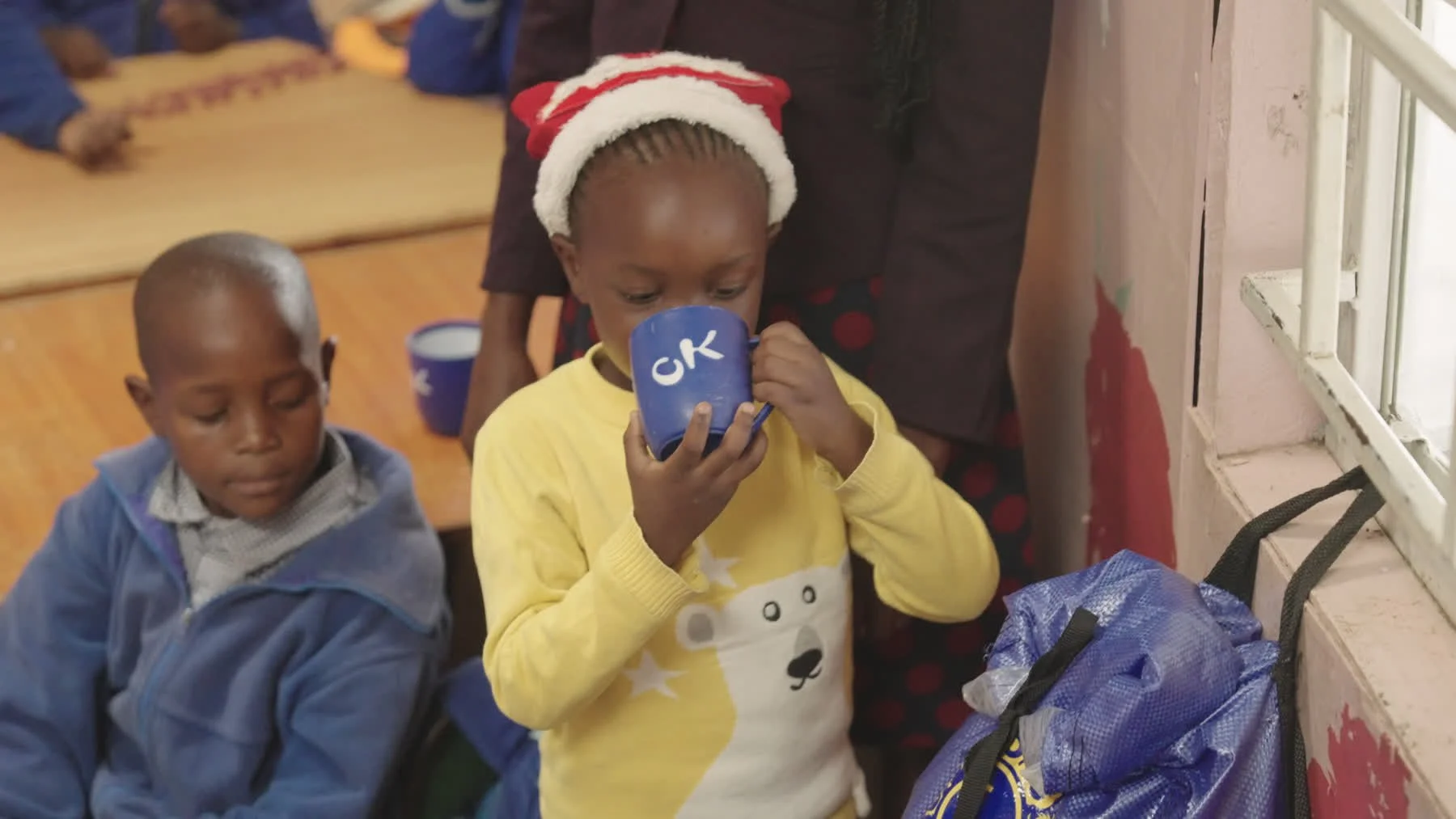
Hang one in a classroom so children can fill their cups from a clean, sealed container.
150 children. 5 years.
A projected reach over five years, assuming a new class of 30 children uses the pack each year.
And for
the journey home.
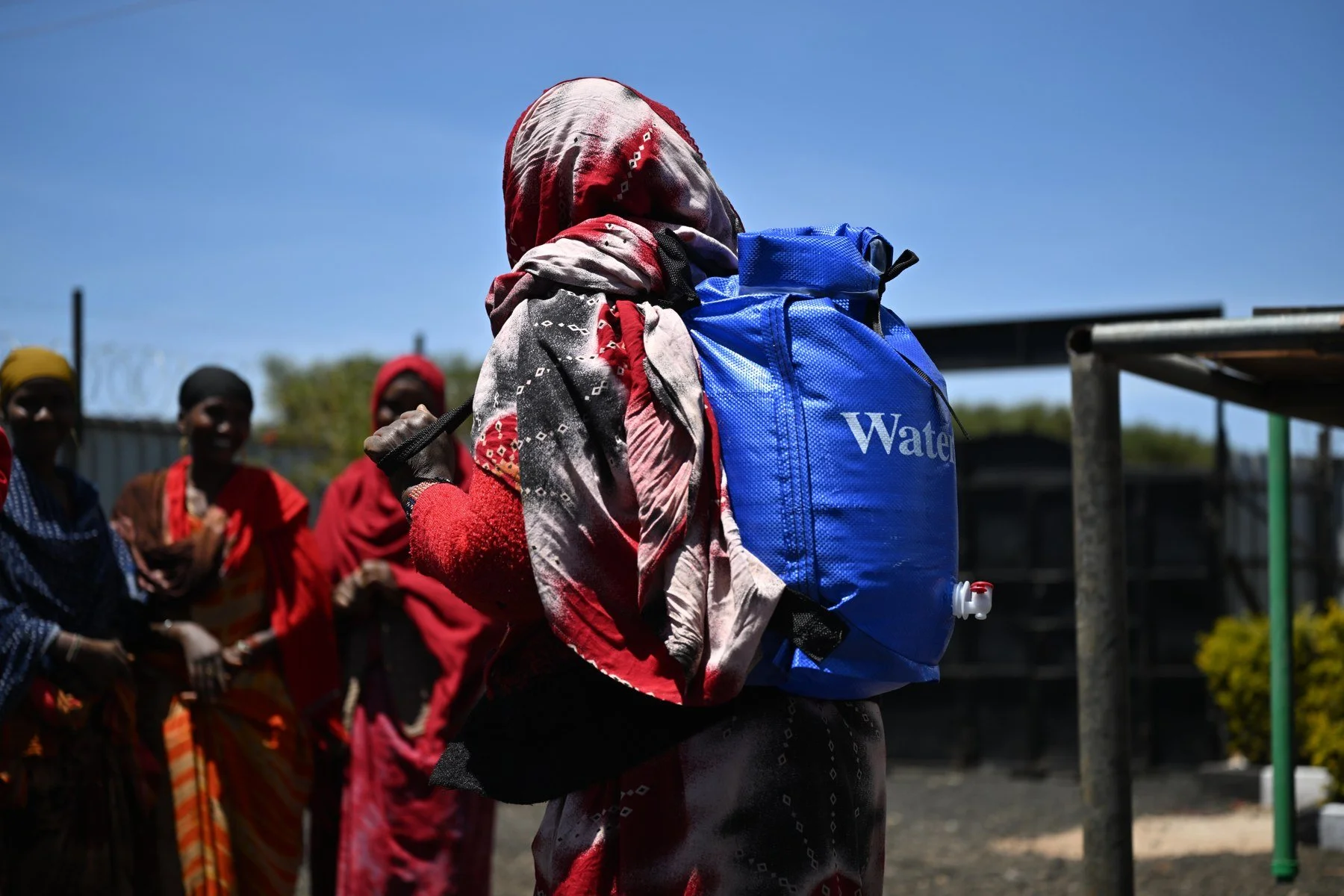
20 liters of water ≈ 44 pounds
Backpack straps distribute the load across the shoulders, leaving hands free.
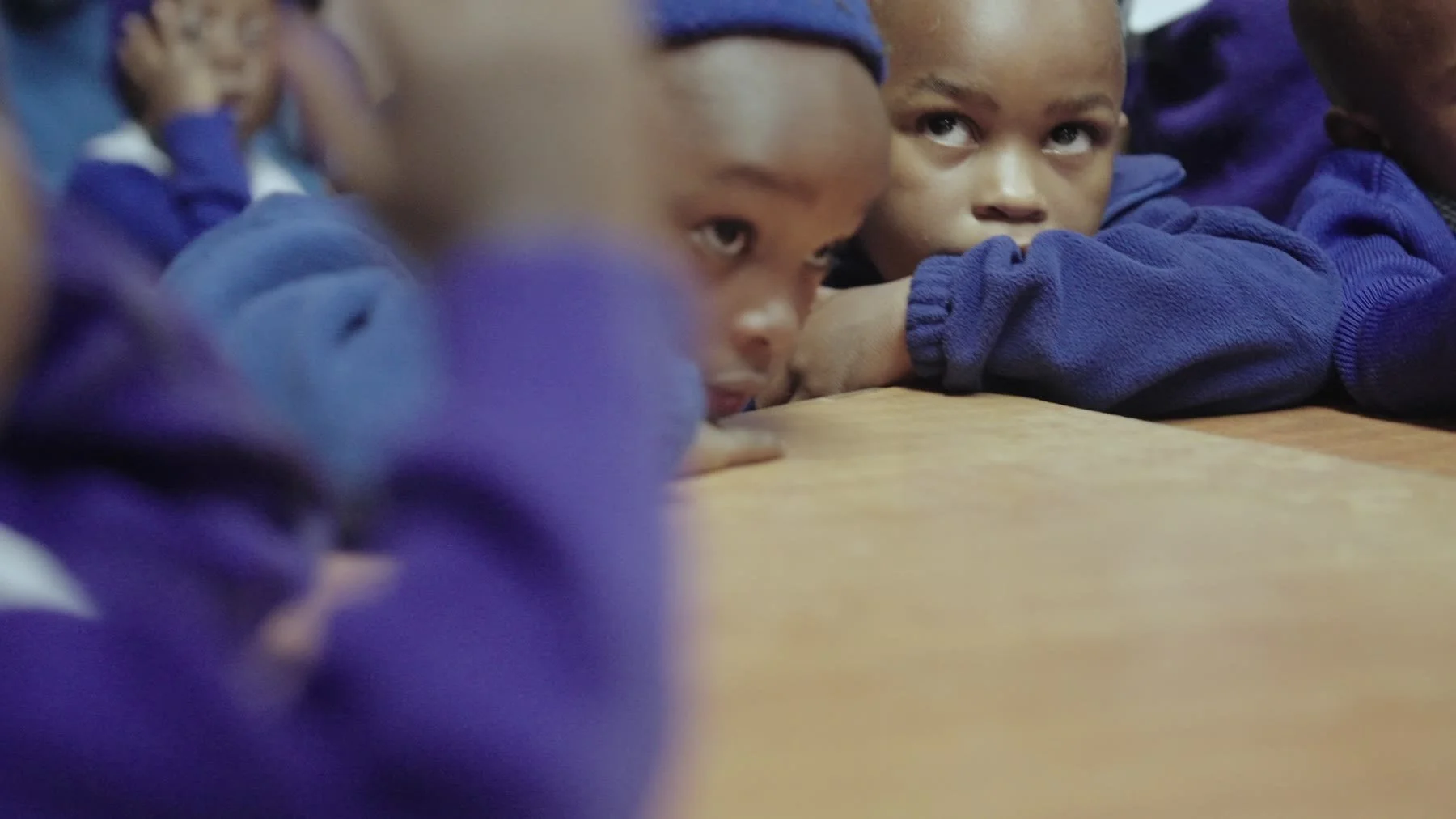
Where can one pack
reach many children?
Start with a classroom.
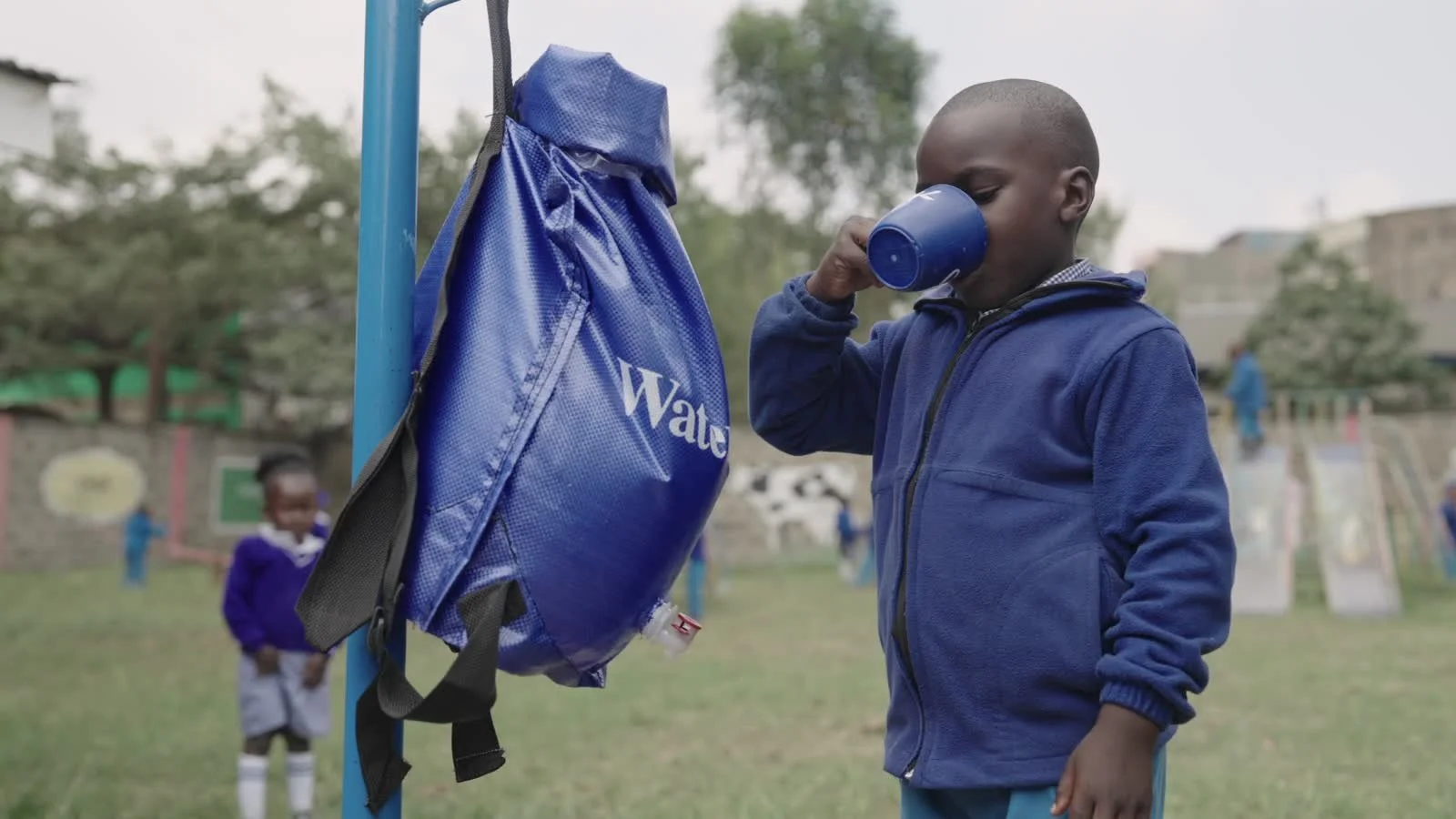
Every classroom.
Every child.
The mission: WaterSafe Packs in every classroom in Kenya. Safe drinking water for as many children as possible. The film invites us to help make it happen.
Kenya WaterSafe School Impact
counties reached
more counties to go
Help bring safe drinking water to every child in elementary school.
EXPLORE PARTNERS FOR CARE’S PROGRAMS ↗From the source
to a child’s cup.
Safer water takes more than one step.
Treatment and clean storage work together.
Treat.
Water needs treatment suited to its source. Products such as WaterGuard or Aqua Tablets disinfect drinking water when used as directed.
Clean.
WaterSafe’s liner can be removed. Its cleaning process includes solar sanitizing the separated liner for six hours.
☀ 6 hours in the sunProtect.
A clean liner, sealed top and dispensing tap help protect stored water until it reaches the person drinking it.
The sunlight step sanitizes the removed liner. Drinking water still needs appropriate treatment.
More about water safety and the program
WHO · Drinking-waterCDC · Water treatmentWaterSafe · Cleaning guidePartners for Care · The classroom missionWatch.
Share.
Move it forward.
The film raises awareness. Partners for Care puts that awareness into action, working with Kenyan schools and communities to bring safer water to more children.
Donations are made directly through Partners for Care.
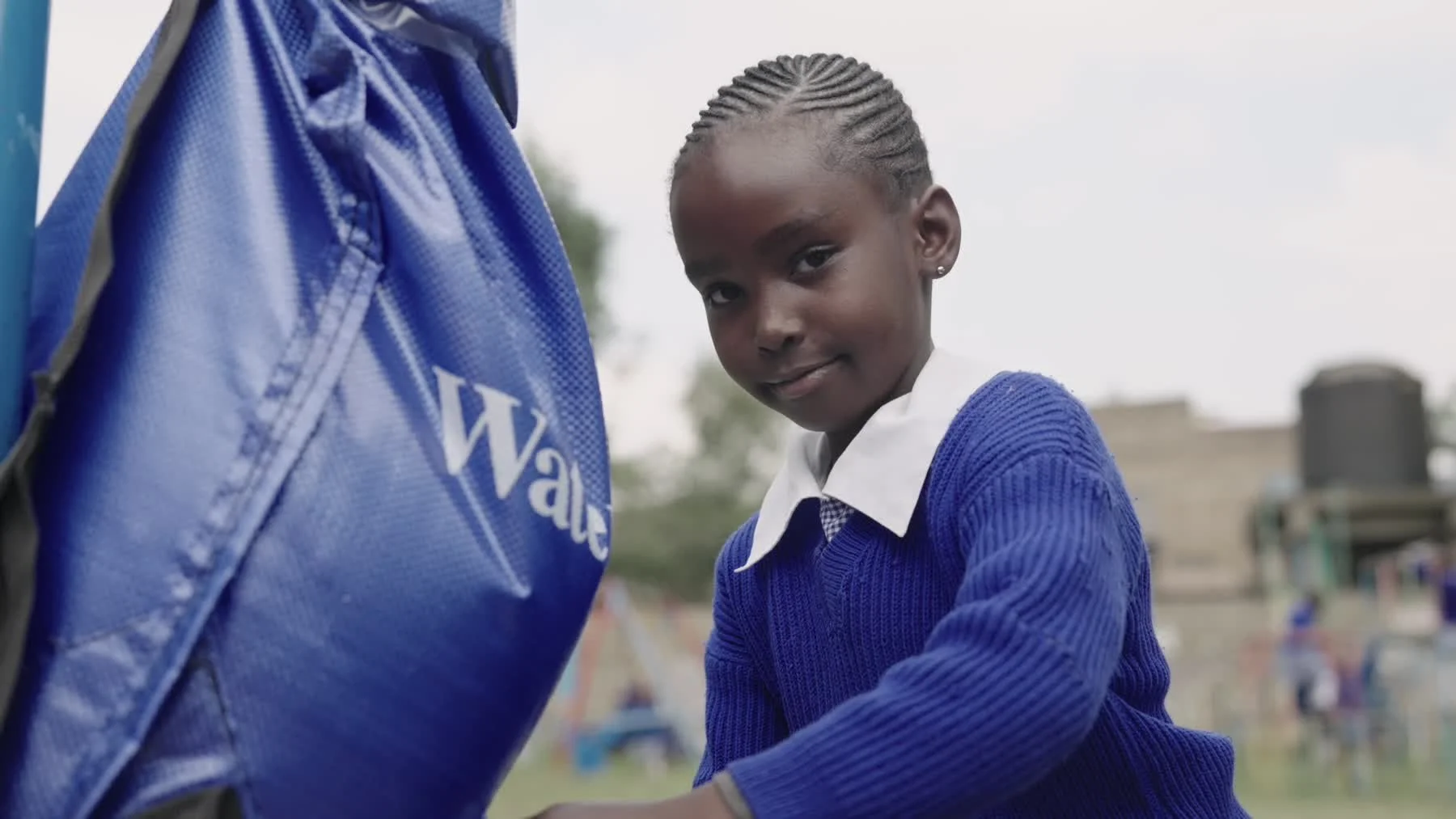
The destination is a child’s cup
Let the story travel.
Help safe water
reach more children.
Donations go directly to Partners for Care.
A feature documentary coming soon.
A Fruition Productions documentary.